
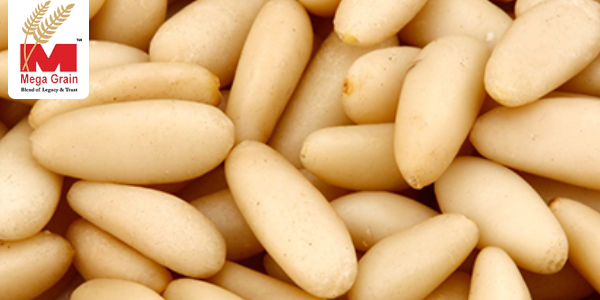
In the world of culinary delights, there’s one tiny yet mighty ingredient that adds a flavour and nutrition and that is pine nuts. These small seeds are harvested from pine cones that offer a delightful crunch and a unique buttery flavour that adds flavour to variety of dishes. This blog discusses the cultivation and trade of pine nuts in India.
Understanding the phenomenon
Pine nuts also known as pignoli are come from various pine tree species globally, with the stone pine being the most common source. These small, elongated seeds are found inside the pine cones and later harvested in the regions with favourable climate for pine tree growth. Their prime cultivation is in the regions of Mediterranean and parts of Asia but now become popular in various parts of the world.
Cultivation of pine nuts in India
India is known for its diverse and rich cultivation practices since ancient times and one of the staple that is popularly cultivated in recent years is pine nuts. These small nuts are grown in regions like Himachal Pradesh, Uttarakhand, and Jammu and Kashmir. These regions provide suitable conditions for pine nuts cultivation. These areas consists the requisite altitude, climate, and soil conditions conducive to the thriving of pine trees.
The cultivation process of pine nuts begins with the planting of pine tree saplings in well-drained soil. Pine trees take several years to grow and bear pine cones that contain coveted pine nuts. The ripen cones are carefully harvested to extract the pine nuts. This process is done either by hands or with the use of machinery. This labor-intensive process requires precision and patience but yields a highly prized commodity.
Global trade dynamics
The demand of pine nuts makes it a global commodity across various markets. Countries like China, Russia, Pakistan and the United States are among the top producers of pine nuts. These countries serve both domestic and international trade of pine nuts. However, India’s emergence as a cultivator adds an interesting dimension to the global pine nut trade.
In the food items import and export industry, pine nuts plays a significant role in international commerce. Countries with limited availability of pine nuts majorly rely on the imports to meet the consumer demands. The United States, for example, imports a substantial quantity of pine nuts, primarily from China and Russia, to fulfil its market needs. Similarly, European countries like Italy and Spain also rely on imports from various sources to sustain their culinary traditions.
Challenges and opportunities
Despite of the emerging demand of pine nuts, the agricultural and trading industry faces various challenges that affect both cultivation and trade. Climate changes give a major threat that disturbs the cultivation patterns. This disturbance in cultivation also disrupts the supply chain and cause a fluctuation in the global markets and trade policies. It also influences the pricing of pine nuts and poses a challenge for both producers and consumers.
However, these challenges make the industry more prepared for innovation and sustainability. Initiatives promoting agro forestry, sustainable farming practices, and genetic research aimed at enhancing pine tree resilience offer promising avenues for the industry’s growth. Also, international collaborations and partnerships can regulate the trading processes and ensures a swift supply of quality pine nuts globally.
The culinary delights of pine nuts
Keeping aside the economic significance, pine nuts holds a special place in the culinary world. Popular for its rich, nutty flavour and creamy texture, they feature prominently in a variety of cuisines globally. From traditional Italian pesto to Middle Eastern pilafs and North Indian desserts, pine nuts add depth and complexity to dishes, elevating them to gastronomic delights.
One can use it whether toasted and sprinkled over salads, use as stuffing or ground into luscious spreads, pine nuts infuse dishes with their distinctive essence. Moreover, their nutritional profile, boasting heart-healthy fats, protein, and essential minerals, further enhances their appeal as a culinary staple.
The final word
Pine nuts have an unparalleled flavour and versatility that is popular across geographical boundaries. It enriches the culinary transitions across the globe. From the hills of Himachal Pradesh to the food market all over the globe, these tiny seeds have great tales of cultivation, trade and culinary delights.