
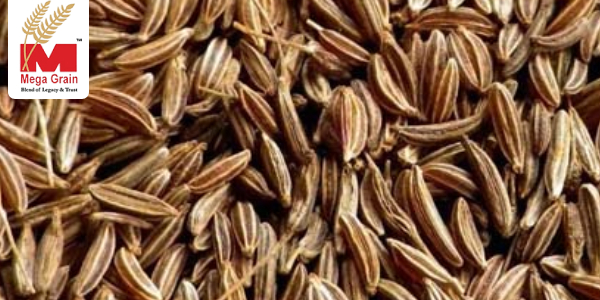
Caraway, a distinctive spice with a rich history in both culinary and herbal applications, often finds itself misconstrued as a seed. Contrary to this perception, it is, in fact, the dried fruit of the caraway plant (Carum carvi L.).
With a nuanced flavor profile that skillfully blends elements of licorice, coriander, anise, and fennel, caraway seeds imparts a slightly bitter and earthy taste. This versatile spice can be employed in various culinary creations, whether used whole or ground. From enhancing the aroma of breads to adding depth to curries and stews, caraway elevates both sweet and savory dishes. Its diverse applications extend to the world of spirits and liqueurs, where it is occasionally infused, further showcasing its adaptability in the realm of flavors and aromas.
Caraway seeds; Substantial demand for “with tail” and “without tail” variants
Caraway seeds, distinguished by their crescent-like shape, are available in two main varieties: with tail and without tail. The “with tail” variety retains a small stem-like appendage, enhancing the visual appeal of the spice. While both types share similar flavors, the choice between the two often comes down to personal preference and culinary aesthetics. The tail-less variety is often preferred for its convenience in culinary applications, where the seamless integration of the spice into dishes takes precedence.
In the global market, caraway seeds are produced by several countries, with the top producers being the Egypt, Germany, Netherlands, Poland, and Russia. These regions are known for cultivating high-quality caraway seeds that meet international standards. The favorable climate and soil conditions in countries like Egypt contribute to the robust aroma and flavor profile of the seeds, making them sought after in the culinary world.
Major difference between caraway seeds and cumin
It’s essential to distinguish caraway seeds from cumin, a common source of confusion due to their similar appearance. While both belong to the Apiaceae family, they differ significantly in taste and aroma. Caraway seeds boast a gentle, sweet, and subtly peppery flavor, complemented by a hint of citrus, rendering them a versatile choice for enhancing the essence of both sweet and savory culinary creations. In contrast, cumin presents a warmer, earthier taste, accompanied by a faint nutty undertone, establishing its status as a fundamental component in various spice blends. The distinct flavor profiles of caraway and cumin contribute uniquely to the diverse tapestry of culinary experiences.
Carrying caraway seeds trading with Mega Grain
As consumers and businesses alike seek reliable platforms for trading agro-commodities like caraway seeds, Mega Grain emerges as a game-changer. Mega Grain, an agro-commodity trading platform, facilitates the buying and selling of caraway seeds worldwide from caraway seeds exporter. Through Mega Grain’s user-friendly interface, traders, farmers, and businesses can connect seamlessly, ensuring a transparent and efficient marketplace to buy caraway seeds.
In conclusion, caraway seeds, whether with or without tail, are a prized spice celebrated for their unique flavor and aroma. As major producers like the Egypt, Netherlands, Germany, Poland, and Russia continue to supply top-quality seeds, the culinary world benefits from the richness these seeds bring to dishes. Mega Grain’s role in agro-commodity trading further enhances the accessibility of these exquisite seeds, allowing enthusiasts and businesses to partake in the aromatic journey of caraway seeds on a global scale.